In-depth
How the Body Type Calculator Works
The Body Type Calculator is a free and intuitive tool designed to help women determine their body shape through a precise analysis of measurements. By entering your bust, waist, high hip, and hip measurements, the calculator uses specific algorithms to identify your body type among the main categories: Hourglass, Pear (Triangle), Apple (Inverted Triangle), and Rectangle.
Why Know Your Body Type
Understanding your body shape offers numerous practical advantages in daily life. First, it allows you to choose the most suitable clothing that highlights your silhouette's strengths and creates harmony in proportions. Knowing your body type helps you make informed decisions while shopping, saving time and money by avoiding unsuitable purchases.
Beyond aesthetic aspects, the calculator also provides the Waist-to-Hip Ratio (WHR), an important indicator for monitoring your health status. The WHR is used by healthcare professionals as a parameter to assess body fat distribution and potential cardiovascular risks. A WHR below 0.85 for women is generally considered within the normal range.
How to Take Measurements Correctly
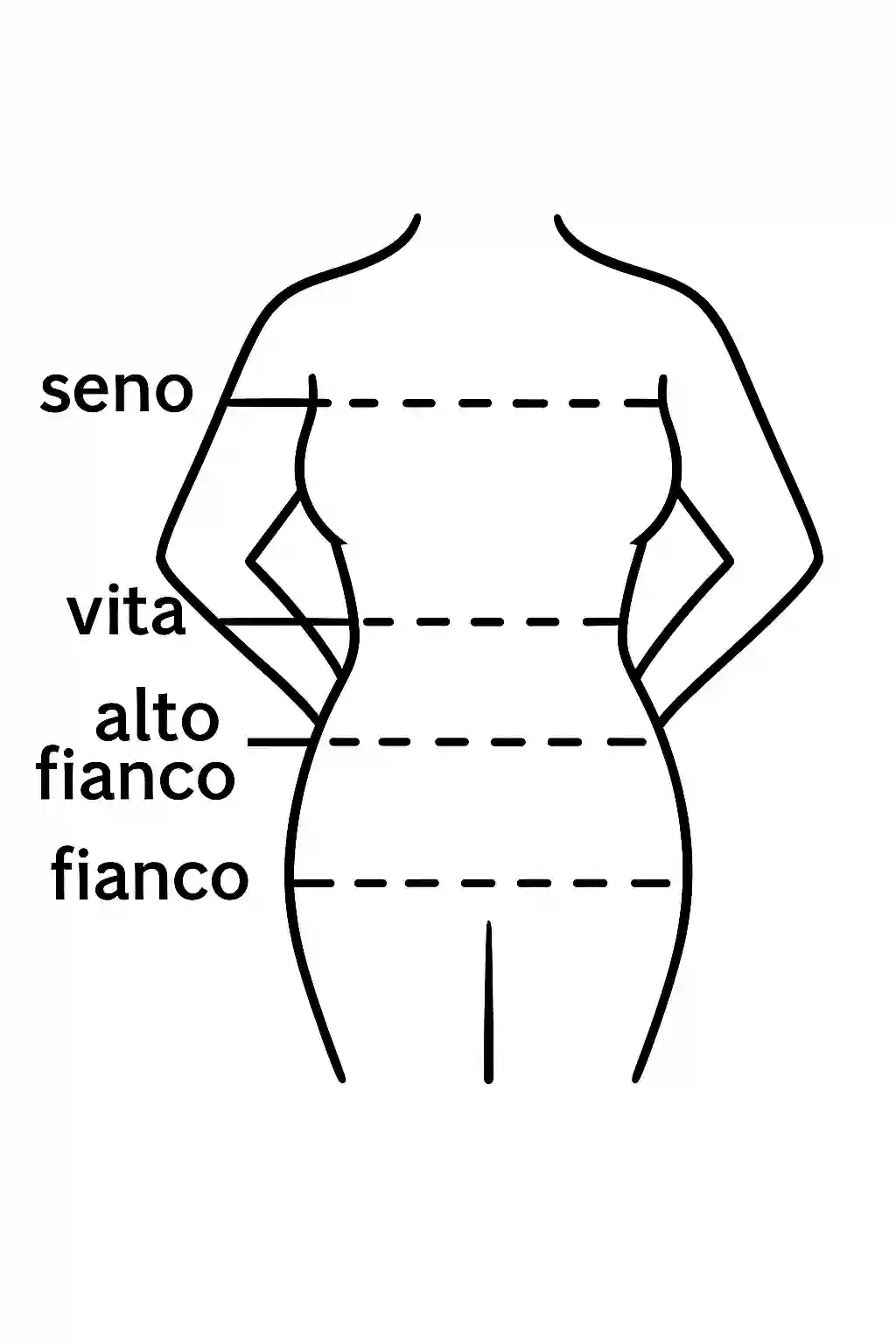
To obtain accurate results, it is essential to measure each body circumference correctly. Use a flexible tailor's tape measure and make sure it is positioned parallel to the floor. Here's how to proceed:
- Bust Measurement: Place the tape measure around the fullest part of the bust, usually at nipple height, keeping it horizontal.
- Waist Measurement: Find the narrowest point of your torso, usually about 2-3 cm above the navel. Breathe normally during the measurement.
- High Hip Measurement: Measure about 7-10 cm below the natural waist, in the area of the upper iliac bones.
- Hip Measurement: Place the tape measure around the widest part of the buttocks and hips, keeping it parallel to the floor.
The calculator supports both centimeter (cm) and inch (in) measurements, automatically converting values to ensure accuracy in results regardless of the unit of measurement used.
Use Cases and Practical Applications
The Body Type Calculator finds application in various practical contexts:
- Personal Styling: Fashion consultants and personal shoppers use this information to suggest outfits that enhance each client's unique characteristics.
- Online Shopping: Knowing your body shape makes it easier to choose the right size and style when purchasing clothing online, reducing returns.
- Fitness and Wellness: Personal trainers can use the WHR to monitor their clients' progress and customize targeted workout programs.
- Wardrobe Planning: Organizing your closet becomes simpler when you know which cuts and styles best flatter your silhouette.
- Tailoring and Custom Fashion: Tailors can use this information to create garments perfectly adapted to the client's proportions.
It is important to remember that every body type is beautiful and unique. This tool is not a judgment, but simply a practical guide to help you better understand your proportions and make informed choices that make you feel confident and comfortable with your appearance.
Frequently Asked Questions (FAQ)
How accurate is the Body Type Calculator?
The calculator uses algorithms based on body proportions recognized in the fashion and styling industry. Accuracy depends mainly on the precision of the measurements entered. For optimal results, make sure to measure correctly following the instructions provided and to enter values in a relaxed state, without holding your breath.
How often should I calculate my body type?
Body type can change over time due to weight changes, pregnancy, physical training, or natural aging. It is recommended to recalculate your measurements every 3-6 months if you are following a specific fitness program, or annually to monitor any natural physiological changes. During pregnancy or the postpartum period, measurements can vary significantly.
What does the Waist-to-Hip Ratio (WHR) mean?
The WHR (Waist to Hip Ratio) is a numerical indicator obtained by dividing the waist circumference by the hip circumference. Values below 0.85 for women are considered within the normal range. A high WHR may indicate a greater concentration of abdominal fat, which some studies associate with increased cardiovascular risks. However, this calculator provides only a general indication and does not replace a professional medical evaluation.
Can I use the calculator if I am pregnant?
Yes, you can use the calculator during pregnancy, but keep in mind that the results will reflect the temporary proportions due to the natural body changes of this period. Measurements during pregnancy do not represent your "usual" body type. It is recommended to wait at least 6-12 months after delivery before considering the results as representative of your standard body shape.
What is the difference between a Pear shape and an Apple shape?
The Pear shape (or Triangle) is characterized by hips wider than the shoulders, with a well-defined waist. This body type tends to accumulate weight in the lower body. The Apple shape (or Inverted Triangle) features broader shoulders and bust compared to the hips, with a less defined waist and a tendency to accumulate weight in the abdominal and chest area. Both shapes have unique characteristics that can be enhanced with appropriate style choices.
Can my body type change over time?
Yes, body type can evolve due to various factors: significant weight changes, targeted training programs (especially those that develop specific muscle groups), hormonal changes due to age or menopause, and pregnancy. However, the basic skeletal structure remains unchanged. For example, a person with naturally wide hip bones will maintain this characteristic even with weight variations.
Should I take measurements dressed or undressed?
For accurate measurements, it is advisable to take measurements in underwear or with very tight and thin clothing. Thick clothes or stiff jeans can add several centimeters to your actual measurements, distorting the results. Also avoid wearing belts or accessories around the waist area during measurement. Ideally, use a mirror to verify that the tape measure is positioned horizontally all the way around.
Is there a "better" body type than others?
Absolutely not. Every body type is natural, normal, and beautiful. The concept of an "ideal body type" is a social construct that varies over time and across different cultures. The purpose of this calculator is not to classify bodies into categories of value, but to provide a practical tool for understanding your proportions and making informed choices in clothing and style. A person's beauty and worth are not determined by their body shape.
Can I save my results?
Currently, the calculator displays results directly on the page after calculation. We recommend noting your results (body type and WHR) in a file or a personal tracking app if you wish to keep track of changes over time. Alternatively, you can take a screenshot of the results section for future reference. We are considering implementing a local save feature for future versions of the tool.
Does the calculator also work for men?
This calculator was designed specifically for women, using parameters and categories typically applied to female morphology. Men have different body fat distributions and structural proportions that require different classification algorithms. For men, there are alternative assessment systems that consider measurements such as shoulders, chest, waist, and hips with criteria adapted to male physiology.