In-depth
How the Protein Intake Calculator Works
The protein intake calculator is a scientific tool designed to accurately determine the optimal amount of daily protein your body needs. Based on formulas validated by international institutions such as the ADA, the CDC, and the WHO, this calculator considers essential variables such as age, sex, body weight, height, and physical activity level to provide personalized recommendations on your ideal protein intake.
When to Use the Protein Calculator
This tool is particularly useful for various categories of users and specific situations:
- Athletes and sports enthusiasts who need to calculate protein requirements for muscle recovery and lean mass gain
- Dieters who want to preserve muscle mass during weight loss
- Vegetarians and vegans who need to carefully plan protein intake from plant-based sources
- Elderly individuals who require higher protein intake to counteract sarcopenia
- Nutrition professionals looking for a quick tool to educate their patients
Protein Intake Calculation Methods
The calculator offers two scientific methodologies to estimate Basal Metabolic Rate (BMR):
Mifflin-St Jeor Formula
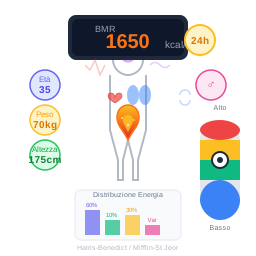
The Mifflin-St Jeor formula is considered the gold standard for calculating basal metabolic rate in the general population. This equation takes into account weight, height, age, and biological sex, offering an accurate estimate of resting energy expenditure. It is particularly suited for individuals with a normal body composition.
Katch-McArdle Formula
The Katch-McArdle formula represents a more sophisticated approach that considers lean body mass. This methodology is more accurate for athletes and people with atypical body composition, as the calculation is based on body fat percentage. Those with developed muscle mass or a known body fat percentage can benefit most from this method.
Interpreting the Calculator Results
The results provide three different protein ranges, each based on guidelines from international health organizations:
- ADA Recommendation (American Dietetic Association)
- Suggests an intake between 1.0 and 1.8 grams of protein per kilogram of body weight. This range is ideal for those who engage in regular physical activity and wish to optimize muscle recovery.
- CDC Guidelines (Centers for Disease Control and Prevention)
- Recommends that protein constitutes 10% to 35% of total daily caloric intake. This percentage-based approach is useful for balancing macronutrients within a complete diet.
- WHO Safety Limit (World Health Organization)
- Indicates the minimum amount of protein (0.83 g/kg) necessary to prevent protein deficiencies and maintain basic physiological functions. This value represents the lower limit that should not be underestimated.
Physical Activity Levels and Protein Requirements
The physical activity level significantly influences daily protein requirements through the basal metabolic rate multiplier:
- Sedentary (coefficient 1.2): for those with desk jobs and little movement
- Light activity (coefficient 1.375): exercise 1-3 times per week for 15-30 minutes
- Moderate activity (coefficient 1.55): workouts of 45-60 minutes, 3-5 times per week
- Intense activity (coefficient 1.725): daily exercise or intensive sessions of 45-120 minutes, 3-4 days per week
- Very intense activity (coefficient 1.9): professional athletes or those practicing more than 2 hours daily of intense activity
Optimizing Protein Intake: Practical Tips
Once you have calculated your daily protein requirement, it is important to distribute protein intake throughout the day. Sports nutrition experts recommend consuming protein at every meal (breakfast, lunch, and dinner) and, for athletes, also in pre- and post-workout snacks. The optimal distribution involves approximately 20-40 grams of protein per meal to maximize muscle protein synthesis.
Quality Protein Sources
The calculator indicates the quantity, but the quality of protein is equally important. Complete protein sources include:
- Animal proteins: white meat (chicken, turkey), fish (salmon, tuna, cod), eggs, low-fat dairy (Greek yogurt, ricotta)
- Plant proteins: legumes (lentils, chickpeas, beans), soy and derivatives (tofu, tempeh, edamame), quinoa, seeds (chia, hemp), and nuts
- Protein supplements: whey protein, casein, plant-based protein powders (pea, rice, hemp)
Frequently Asked Questions About Protein Requirements
How much protein per day to build muscle?
For muscle hypertrophy, scientific studies suggest an intake between 1.6 and 2.2 grams of protein per kilogram of body weight, combined with progressive resistance training. The calculator provides this range through the ADA recommendations.
Does protein requirement change with age?
Yes, protein requirements in the elderly increase to counteract age-related muscle loss (sarcopenia). People over 65 should aim for the upper end of the recommended range, ideally 1.2-1.5 g/kg of body weight.
Is too much protein harmful?
Prolonged excess protein intake can overload the kidneys in predisposed individuals. For healthy individuals, the safe upper limit is generally considered to be around 2.5 g/kg. It is always advisable to consult a doctor or nutritionist before significantly increasing protein intake.
How to calculate protein for the ketogenic diet?
In the ketogenic diet, protein should represent approximately 20-25% of total calories, with a moderate intake between 1.2-1.7 g/kg to avoid excessive gluconeogenesis that could compromise ketosis. The calculator can provide a starting point to adapt to the ketogenic regimen.